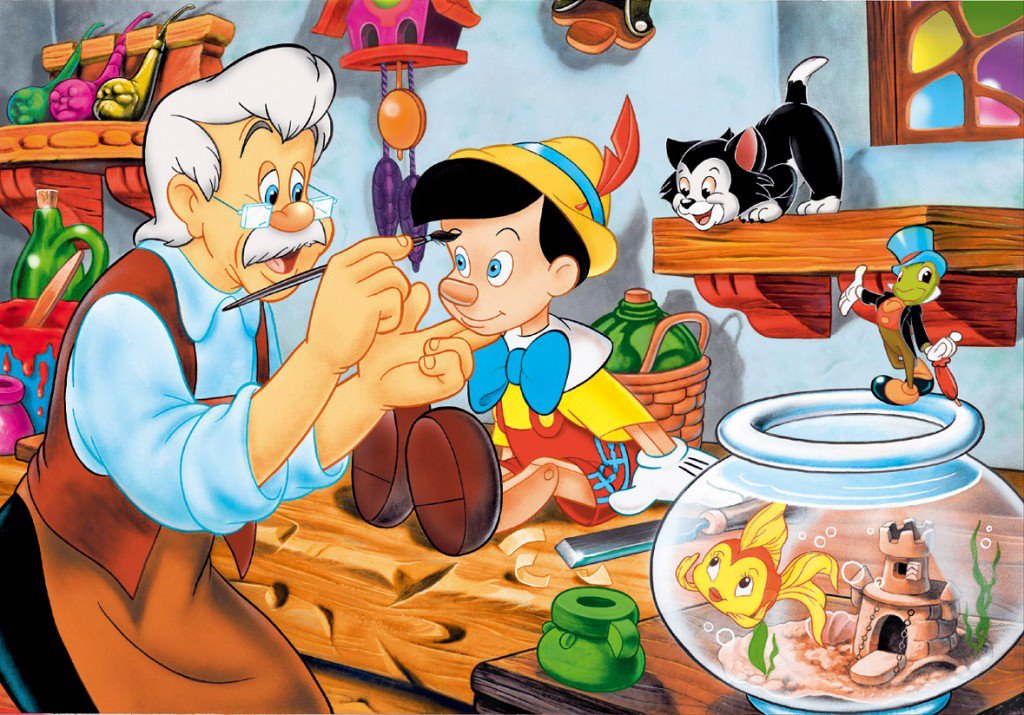
In the depths of one of the most renowned childhood tales, Carlo Collodi’s “The Adventures of Pinocchio,” lies a thought-provoking inquiry with contemporary relevance: Can Pinocchio be likened to an android? This iconic wooden figure, a creation of Geppetto, has captivated readers spanning generations. However, beneath the veneer of this beloved narrative lies a profound exploration of the intricate relationship between humanity and technology.
At the outset of the narrative, Pinocchio presents as a rudimentary wooden marionette, essentially a mechanical entity devoid of intrinsic life—a prototype, if you will, of the modern-day android, conjuring images of sophisticated robots and cutting-edge artificial intelligence. What renders this tale particularly compelling is the gradual metamorphosis of Pinocchio into an entity bearing remarkable semblance to a genuine child. By the tale’s culmination, the distinction between the wooden puppet and a living child becomes a blur.
This evolution mirrors the contemporary convergence of technology with our daily lives. Geppetto, the puppet’s creator, assumes a role akin to that of modern scientists and engineers engrossed in the realm of artificial intelligence and robotics. His fervent commitment to crafting the puppet mirrors the passion and dedication exhibited by scientists in the creation of intelligent machines.
Enter the Blue Fairy—an enigmatic and ethereal character who assumes the mantle of Pinocchio’s guiding force. She embodies knowledge and enlightenment, prodding the wooden protagonist toward his quest for humanity, learning, and personal growth. This parallel with the modern scientific landscape underscores the potential for progress and self-discovery through technology, notwithstanding apprehensions related to artificial intelligence.
Each character encountered by Pinocchio during his odyssey imparts vital life lessons. The Talking Cricket embodies the notion of conscience and moral righteousness, whereas the duplicitous Cat and Fox serve as allegorical representations of the temptations and trials ubiquitous in the human experience. Each interaction contributes to Pinocchio’s growth, gradually transforming him into a more authentic human figure.
Nevertheless, in the contemporary world, notwithstanding the enchantment of Pinocchio’s tale, apprehensions regarding technology loom large. Concerns surrounding artificial intelligence, robotics, and advanced automation revolve around the specter of job displacement, security vulnerabilities, and breaches of privacy. Unlike the fairy tale, wherein Pinocchio becomes indistinguishable from a human, real-world technology engenders complex questions concerning the equilibrium between humanity and machines.
It is worth noting that Collodi originally envisioned a somber conclusion wherein Pinocchio faced execution, but he subsequently altered the denouement, possibly in response to reader dissent. Could it be that the initial ending mirrored the author’s trepidation toward technology, with the revised conclusion underscoring the imperative of maintaining control over it?
However, as mature individuals, we can glean inspiration and insight from Pinocchio’s saga. Rather than succumbing to trepidation, we ought to approach technology judiciously and with a sense of responsibility. Geppetto, the Fairy, and the other characters symbolize our relentless quest for purpose and aspiration for self-improvement.
Despite the challenges posed by technological advancement, we possess the capacity to shape technology in alignment with our values and objectives, endeavoring to forge a future that truly benefits all.
Pinocchio’s narrative imparts the message that transformation is attainable, contingent upon our ability to navigate it toward a future that genuinely serves the betterment of humanity as a whole.

 100 Watt il blog di Antonio Disi